
What Happens During a Blood Donation? A Step-by-Step Guide (Nigeria)
Exactly what happens at a Nigerian blood bank, step by step — registration, the finger-prick check, the 8-10 minute donation, rest, and what to do afterwards.

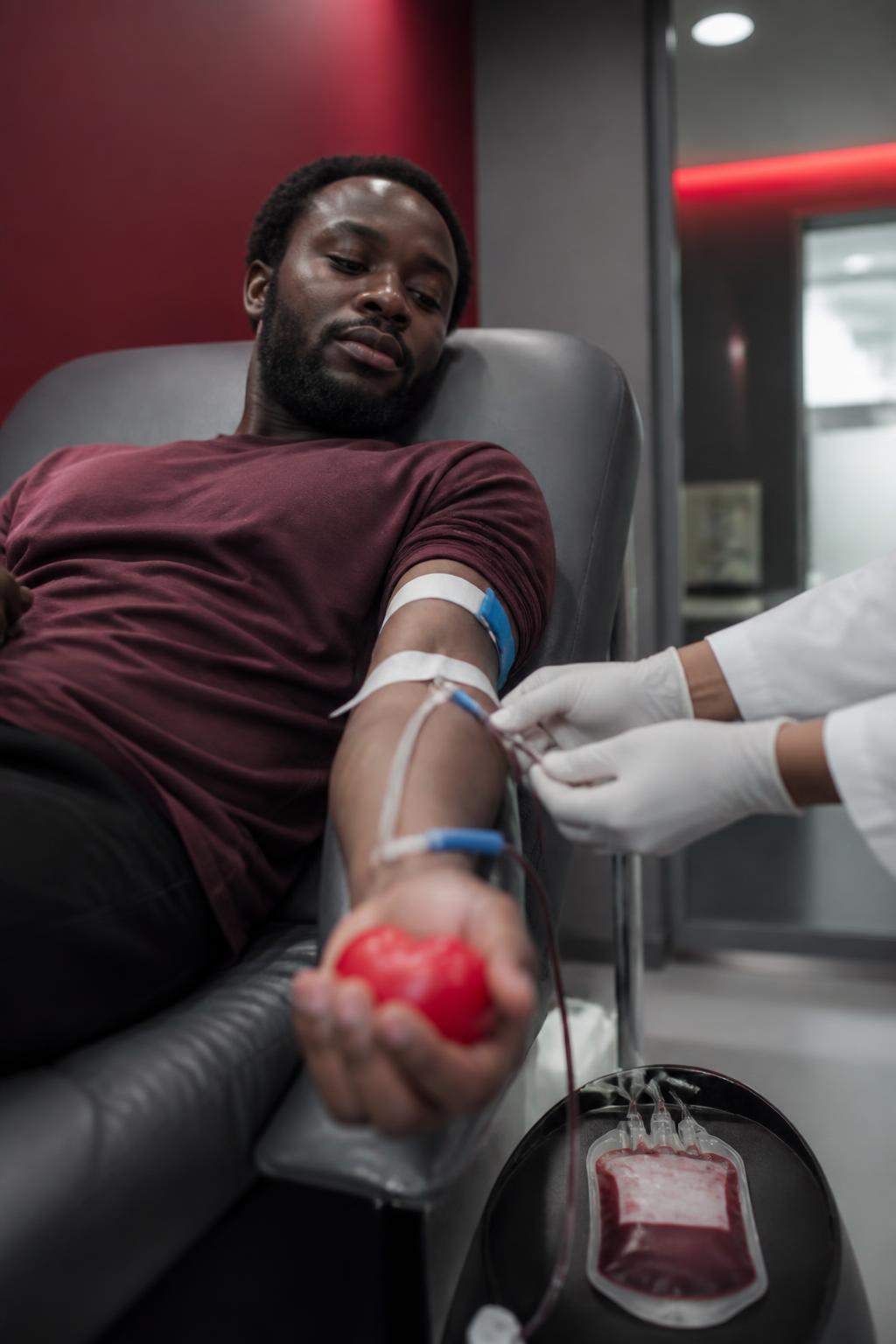
For first-time donors in Nigeria, the unknown is the scariest part. Here is exactly what happens at a blood bank, in the order it happens — from walking through the door to the biscuit at the end. The whole visit is usually under an hour, and the donation itself takes about eight minutes.
Before you go: how to prepare
- Eat a full meal two to three hours before — never donate on an empty stomach.
- Drink plenty of water; good hydration makes the vein easier to find and the donation faster.
- Bring a valid ID, wear sleeves you can roll up, and skip alcohol the night before.
- Check the eligibility rules first so a recent tattoo, medication or low weight does not send you home.
Step 1: Registration and a short health questionnaire (5-10 minutes)
You give your name, age, address and phone number, then complete a confidential questionnaire about your health, medication, recent travel and lifestyle. A nurse goes through it with you privately. Answer honestly — the questions exist to protect the patient who receives your blood, and nothing you say is shared.
Step 2: The mini health check (5 minutes)
A staff member pricks your fingertip to check your haemoglobin, then measures your blood pressure, pulse, temperature and weight. If your haemoglobin is low or your blood pressure is high, you will be deferred — that is a health warning worth taking to a doctor, not a rejection.
Step 3: The donation itself (8-10 minutes)
You lie back in a chair. The inside of your elbow is cleaned, a sterile single-use needle is inserted, and about 450ml of blood flows into a sealed bag. You may be asked to squeeze a ball to keep the flow steady. There is a pinch at the start, then almost nothing. Staff stay beside you throughout — tell them immediately if you feel dizzy or cold.
Step 4: Rest and refreshments (10-15 minutes)
The needle comes out, a dressing goes on, and you sit for at least ten minutes with a drink and a snack. Do not skip this. Most fainting happens to donors who stood up and walked straight out.
Step 5: Your donor card and aftercare advice
You receive a donor card recording your confirmed blood group and the date you donated, plus advice for the next 24 hours: keep the dressing on for a few hours, drink extra water, eat normally, and avoid heavy lifting, hard exercise and alcohol for the rest of the day.
Step 6: What happens to your blood afterwards
Your unit is labelled and sent to the laboratory, where it is grouped and screened for HIV, hepatitis B and C and syphilis. Cleared units are stored at the blood bank and issued to hospitals — often within days, because red cells last about 35 days. If a screening test flags something, the blood bank contacts you confidentially.
When can you donate again?
Most Nigerian blood banks allow whole-blood donation every 12 weeks for men and 16 weeks for women, so your iron stores recover fully. You can find a licensed blood bank near you, or read more about the health and community benefits of donating. Call ahead: some centres run donation sessions only on certain days.
Frequently asked questions
- How long does it take to donate blood?
- The whole visit usually takes 45 to 60 minutes. The blood collection itself is only about 8 to 10 minutes; the rest is registration, the health screening and your rest period with a drink and a snack.
- Does donating blood hurt?
- You feel a short pinch when the needle goes in, and after that most donors feel nothing at all. The finger-prick used to check your haemoglobin is usually the part people notice most.
- What should I do before donating blood?
- Eat a proper meal, drink plenty of water, sleep well the night before, avoid alcohol, wear a top with sleeves you can roll up, and bring a valid ID. Do not come on an empty stomach.
- How much blood is taken during a donation?
- About 450ml, which is roughly 8% of an adult's blood volume. Your plasma is replaced within 24 to 48 hours and your red cells over a few weeks.
- What happens to my blood after I donate?
- It is labelled, screened for HIV, hepatitis B and C and syphilis, grouped, and stored at the blood bank. Red cells are usually kept up to 35 days, so units are issued to hospitals quickly.
- Can I go back to work after donating blood?
- Most people do. Avoid heavy lifting, strenuous exercise and alcohol for the rest of the day, keep drinking water, and eat normally. If you feel light-headed, sit or lie down until it passes.